In today's world of AI generated images and stories, our Siku books are kind of old fashioned. As any wildlife photographer knows, the key to good photos is being there and putting in long hours in the field. There is no shortcut. Here, we want to provide a glimpse behind the scenes of how our Siku books are becoming reality.
For Arctic wildlife, especially for polar bears, wolves, moose, owls, even the elusive wolverines, the remote Hudson Bay coast of Manitoba is a paradise. With any permanent settlement being more than 200 kilometers away, these animals are truly wild. They are not afraid of humans because they don't have a history of being hunted.
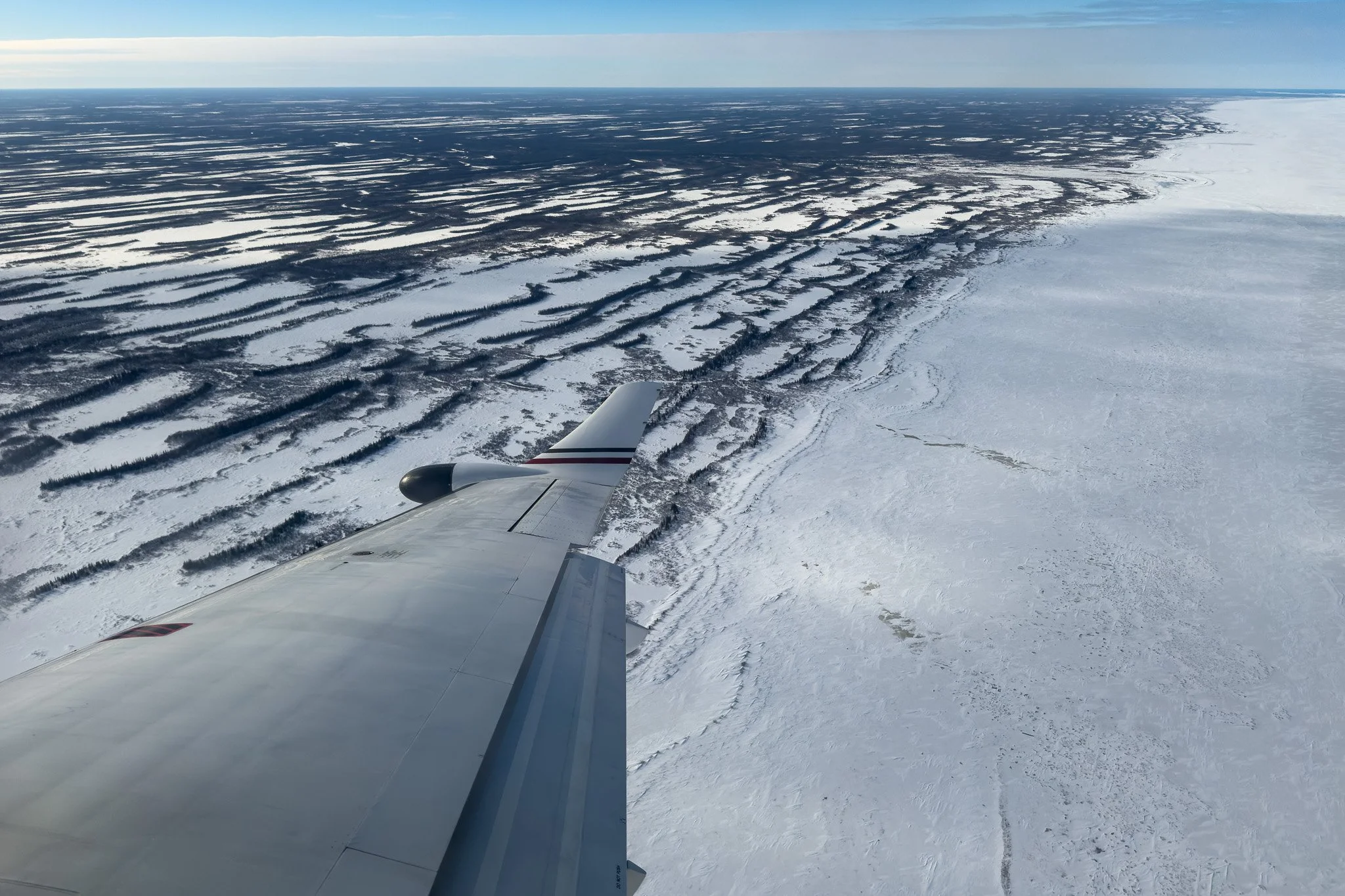
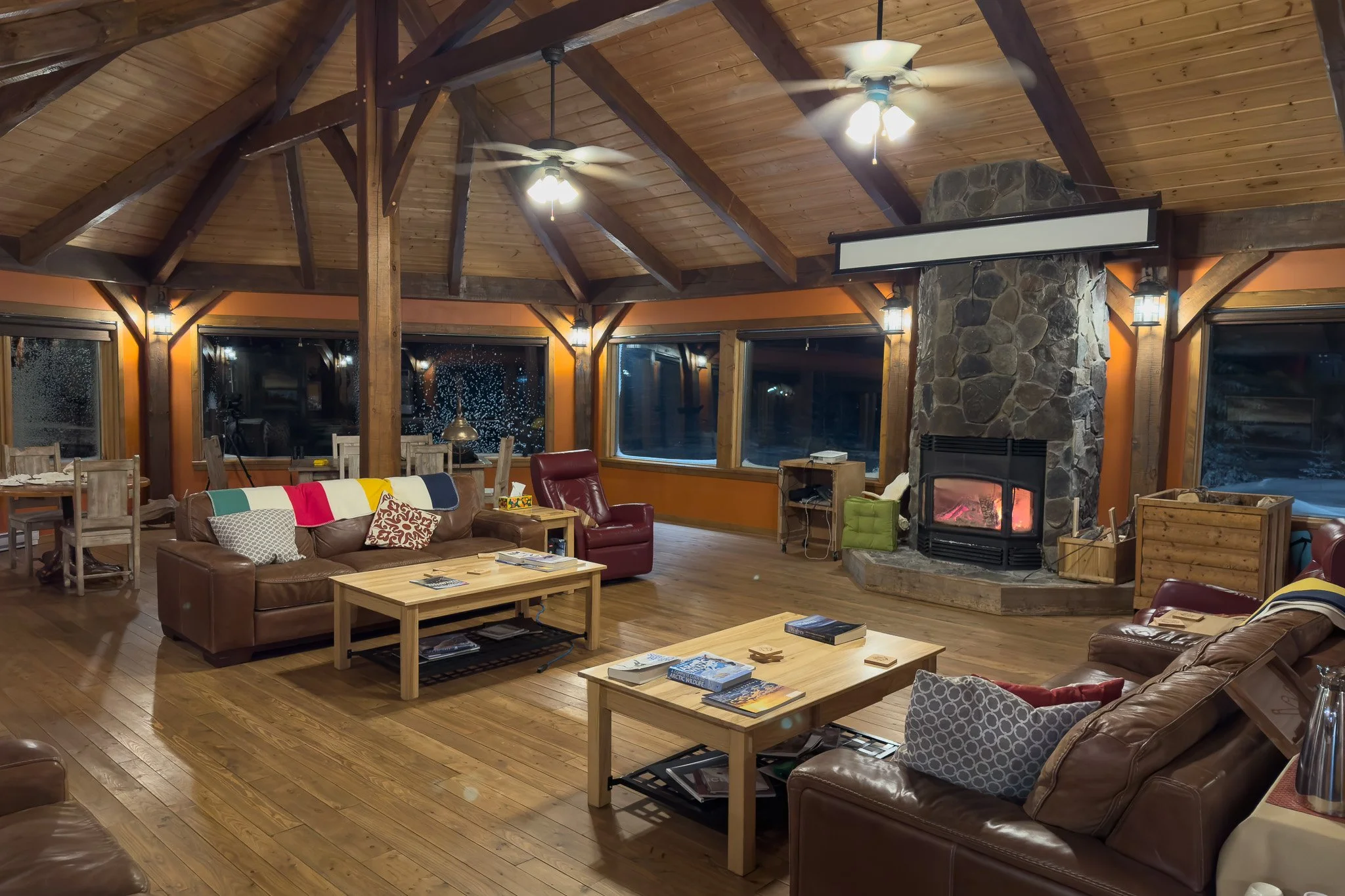
But getting to this remote stretch of coastline is already an adventure. Our hub for our wildlife trips in the area is Nanuk Polar Bear Lodge, operated by Churchill Wild. This cozy ecolodge has everything you need in the middle of nowhere, even its own landing strip and 24/7 power. The only way to get there is by plane.
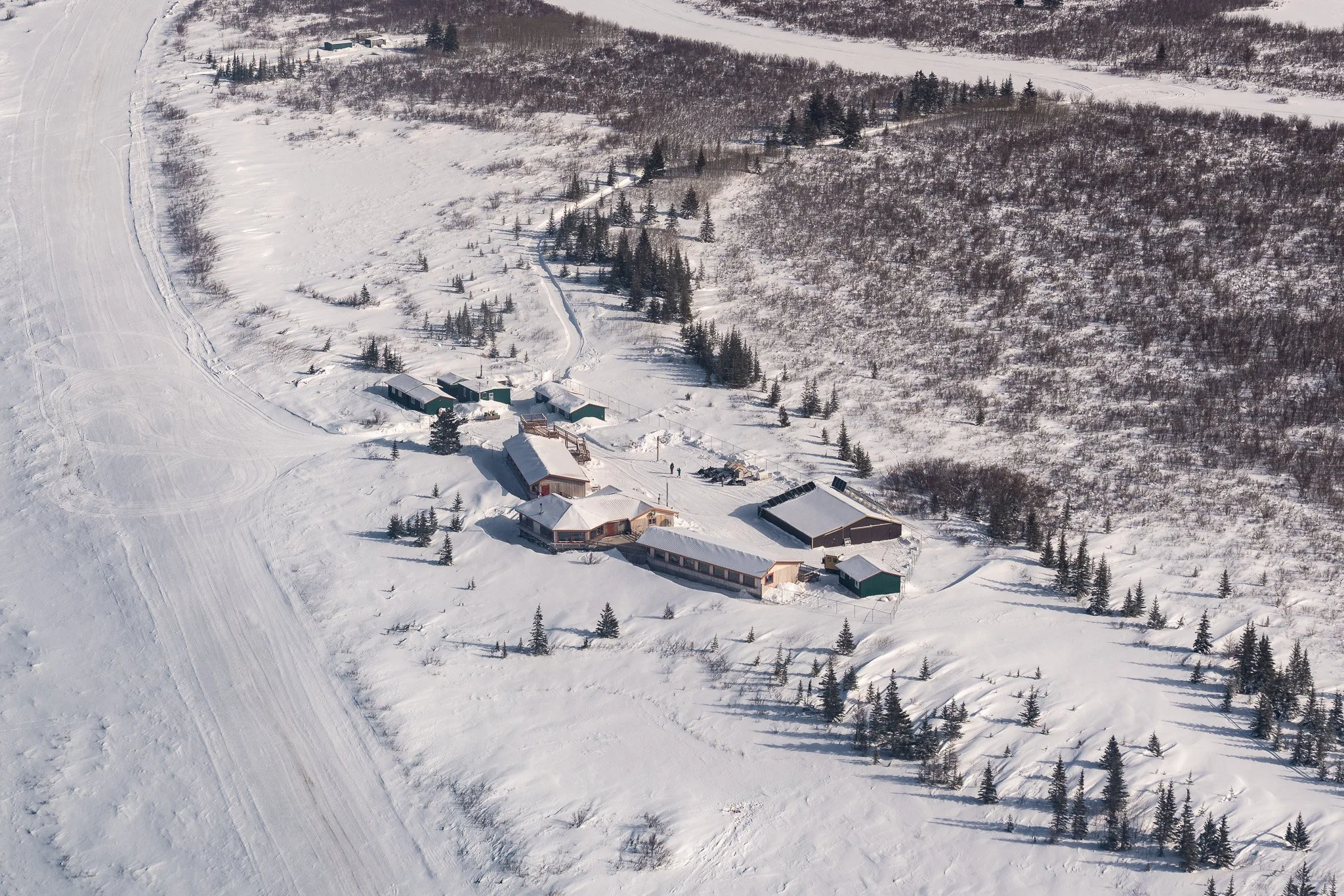
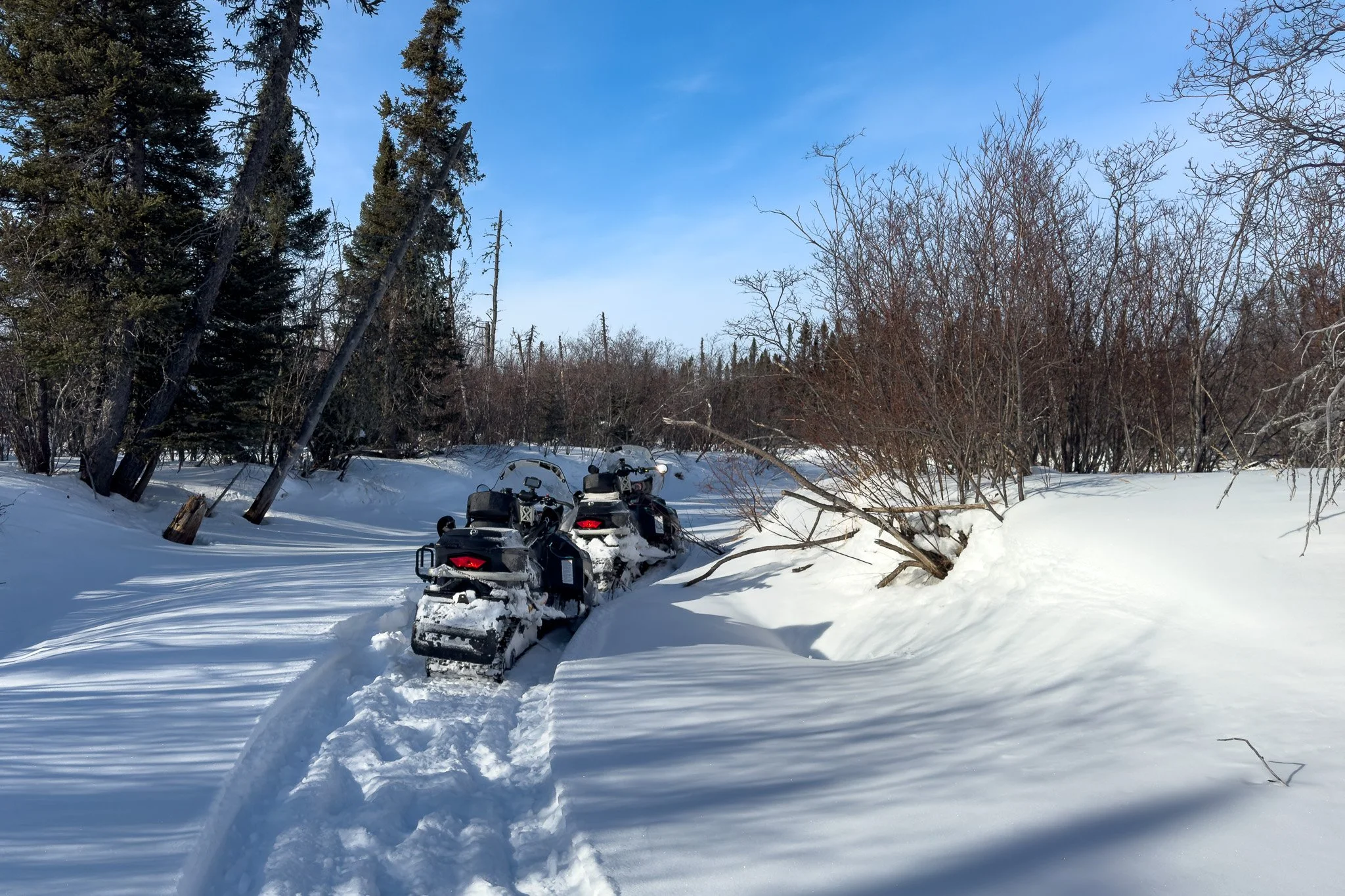
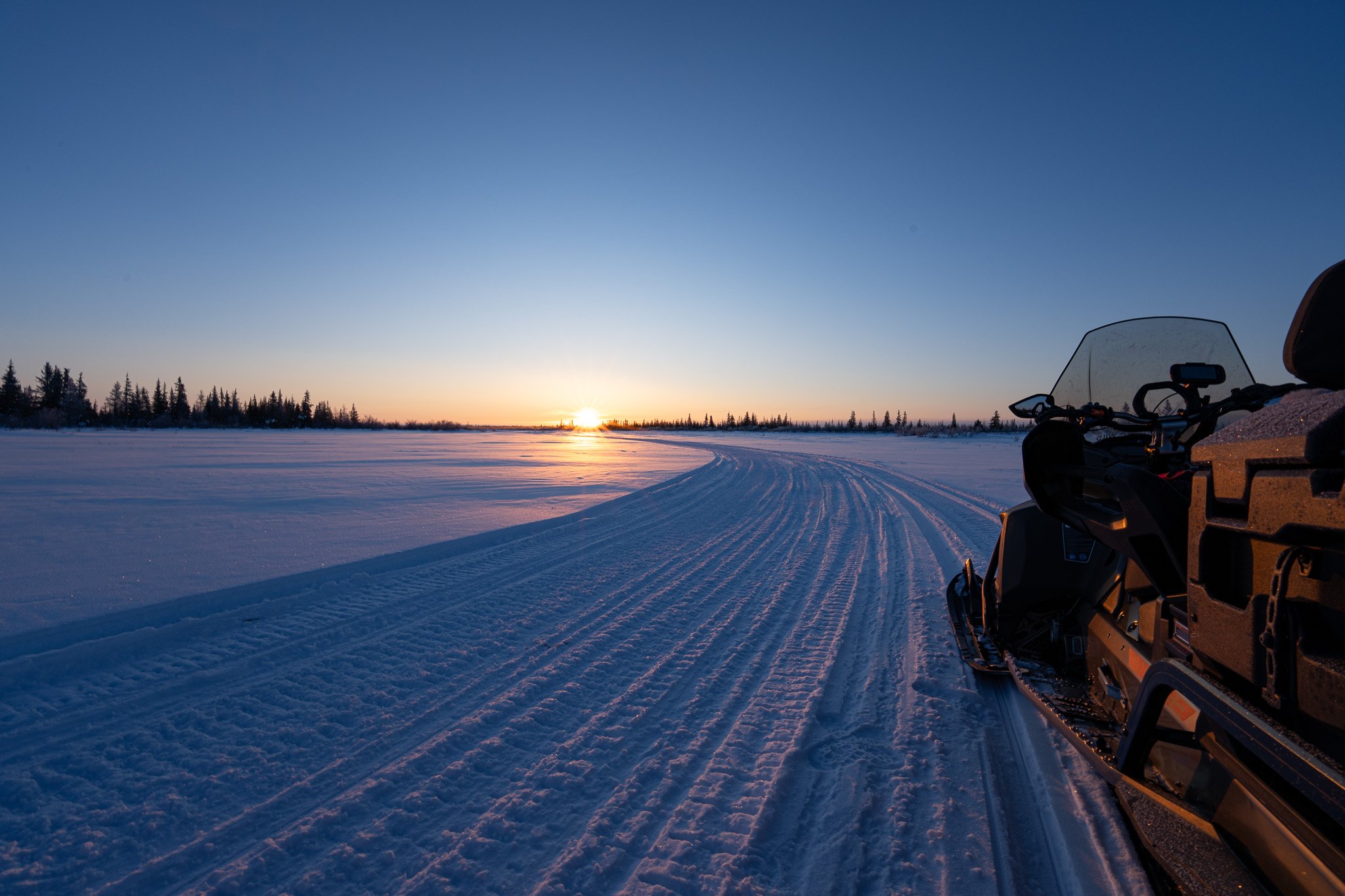
Most of our days are spent on snowmobiles (and sleds) exploring the roughly 100 kilometer stretch of coastline and also driving up the frozen rivers into the boreal forest. Especially on the trips focussing on polar bear moms and cubs, we often leave the lodge before sunrise.
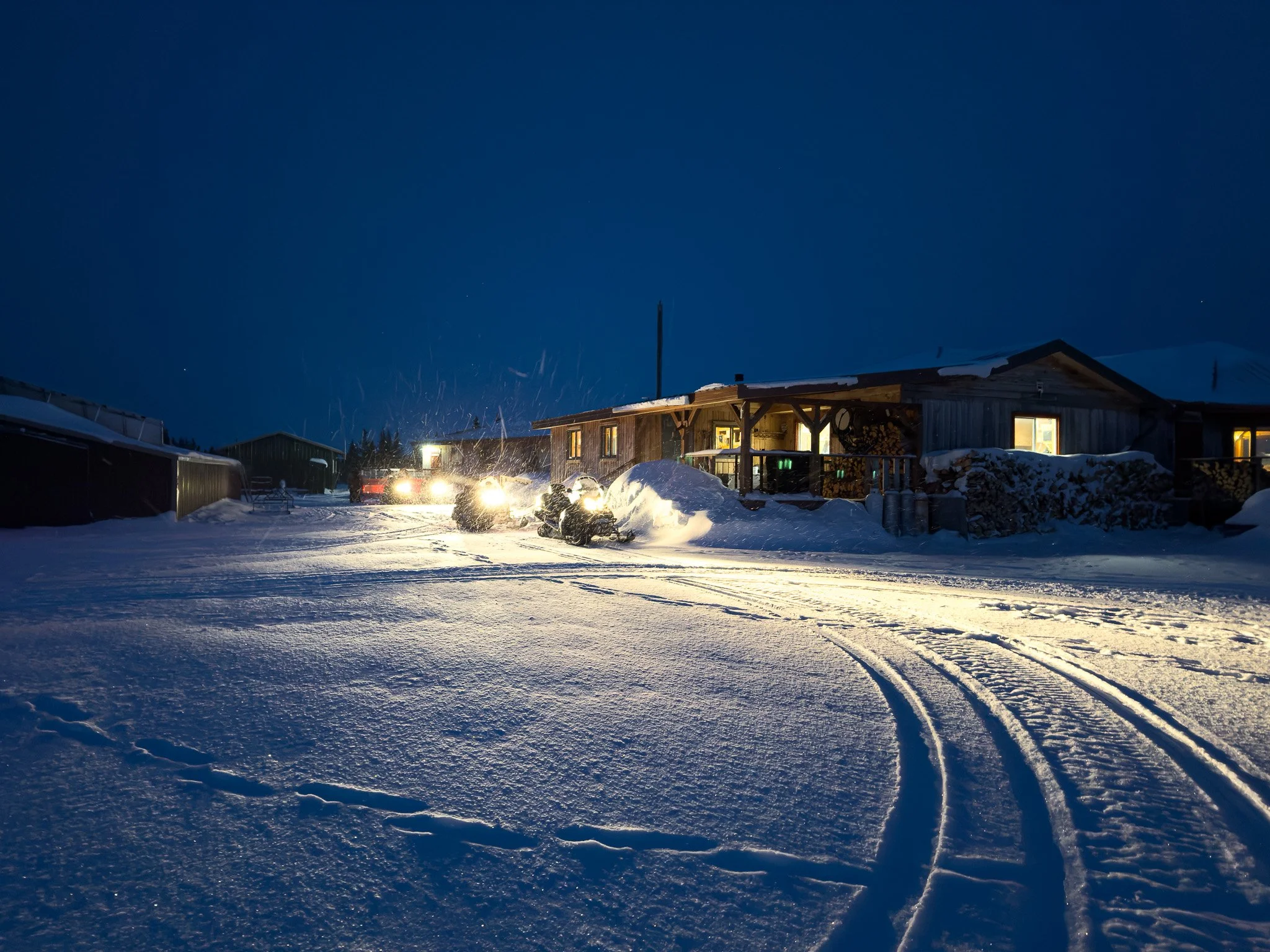
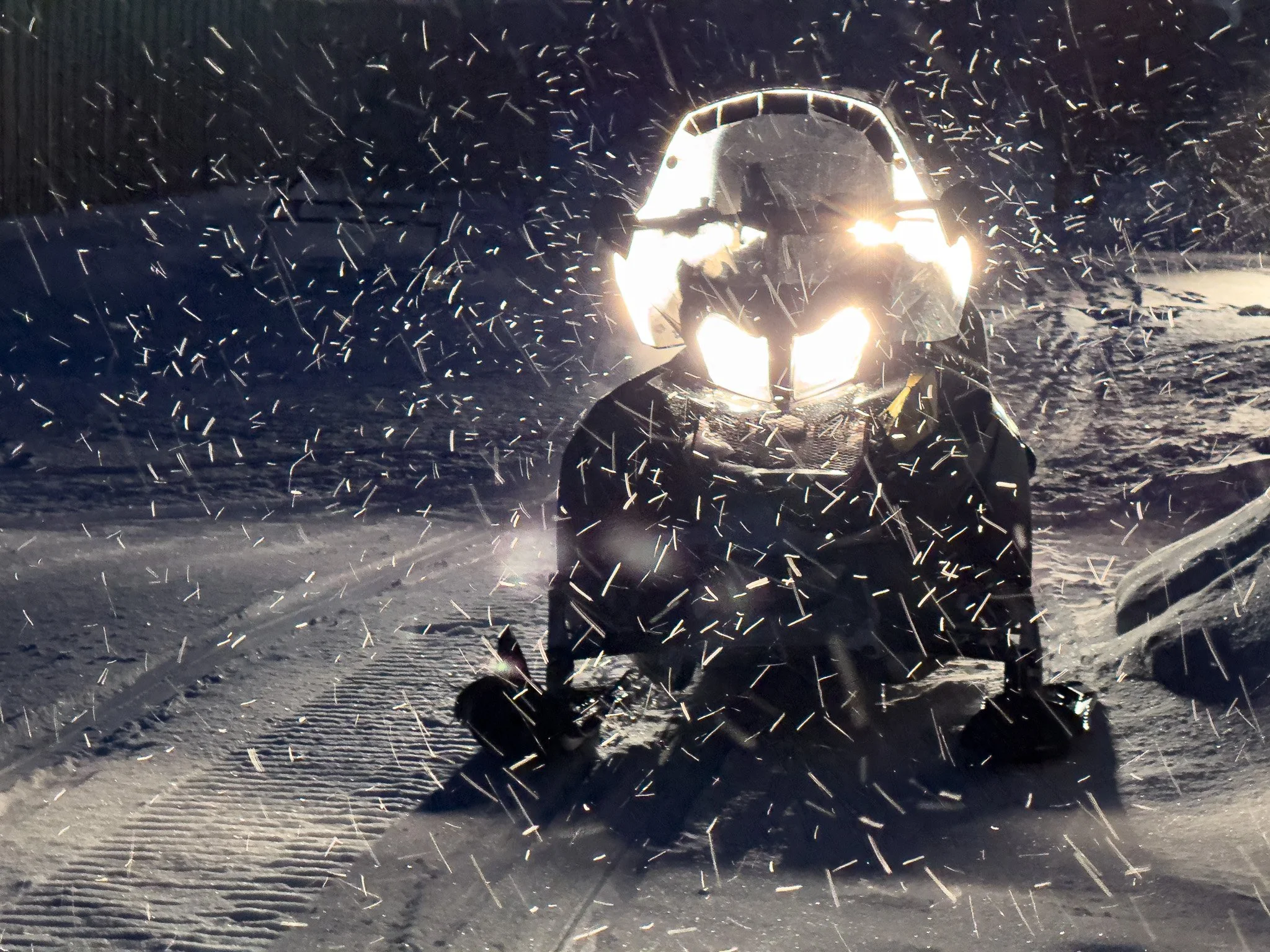
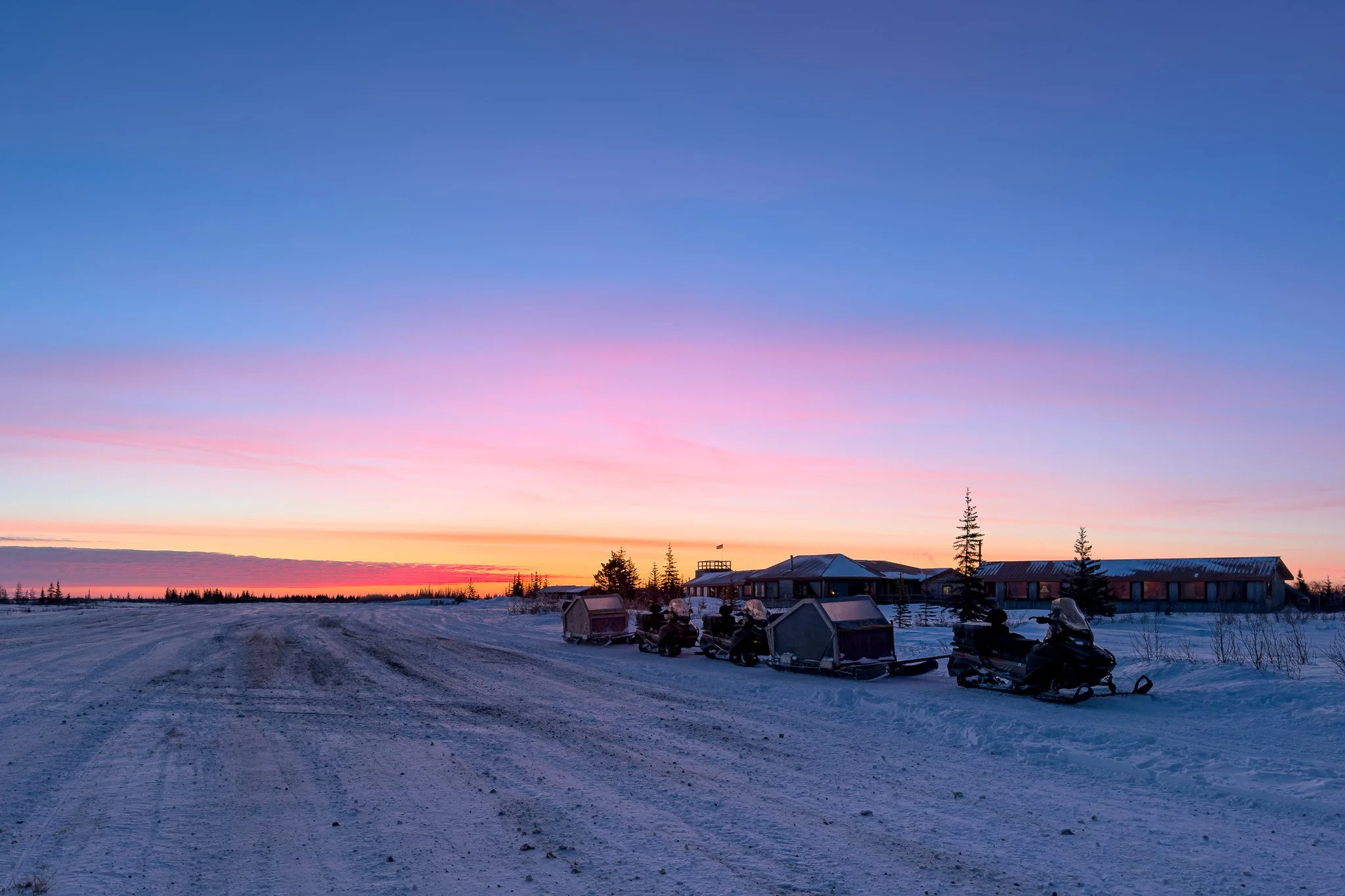
Ahead usually lies a long day in the field, sometimes until after sunset. In March, daylight can be as long as 14 hours. Temperatures can be anywhere between -40°C and -10°C. That being said, -10°C on a sunny day with the right gear feels pretty balmy...
Just driving along the coast or up the frozen rivers is a wonderful experience. The snow is untouched, the landscape shaped by millions of years of ice movement, tidal action, isostatic rebound and the prevailing northern winds.
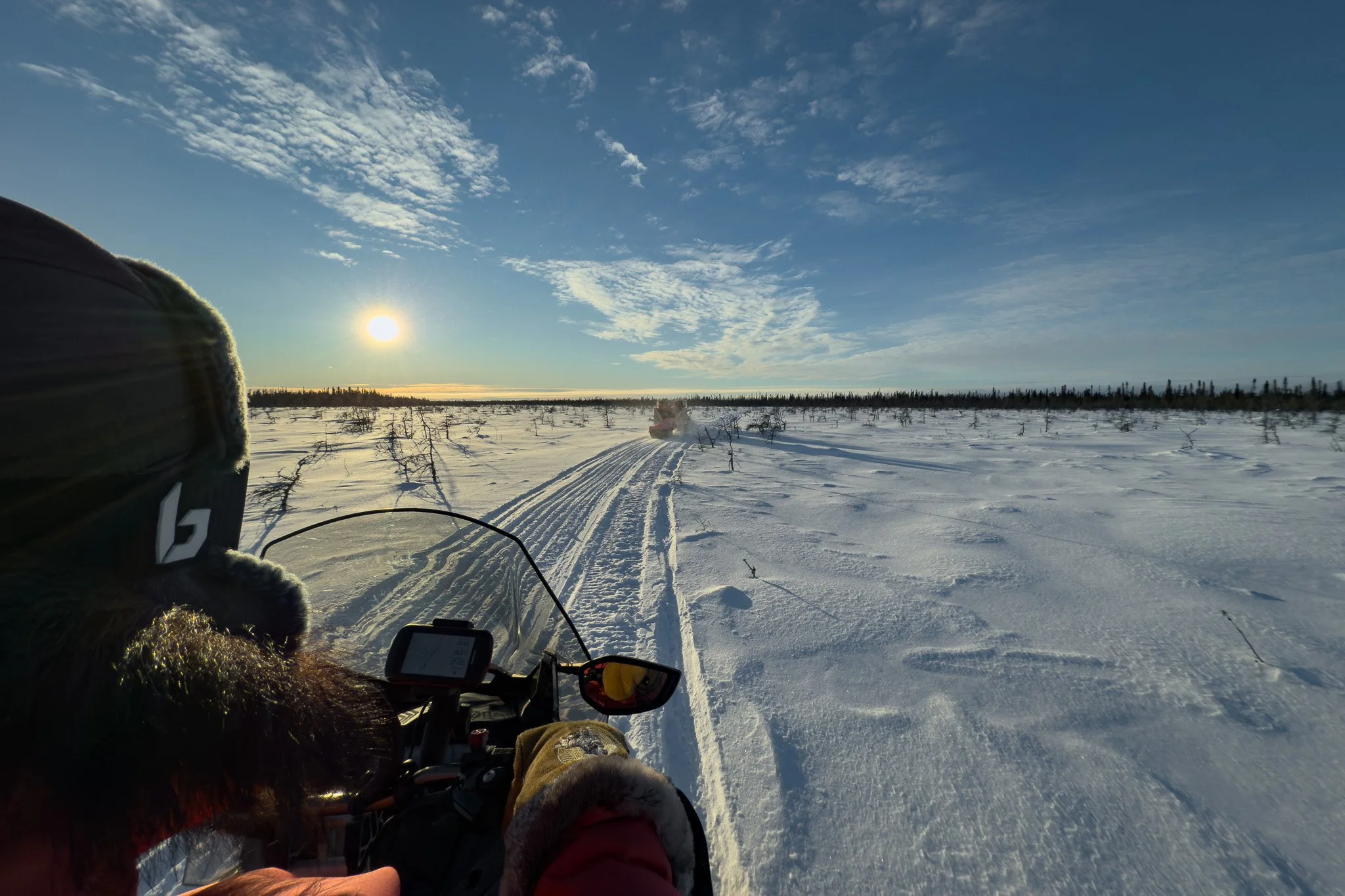
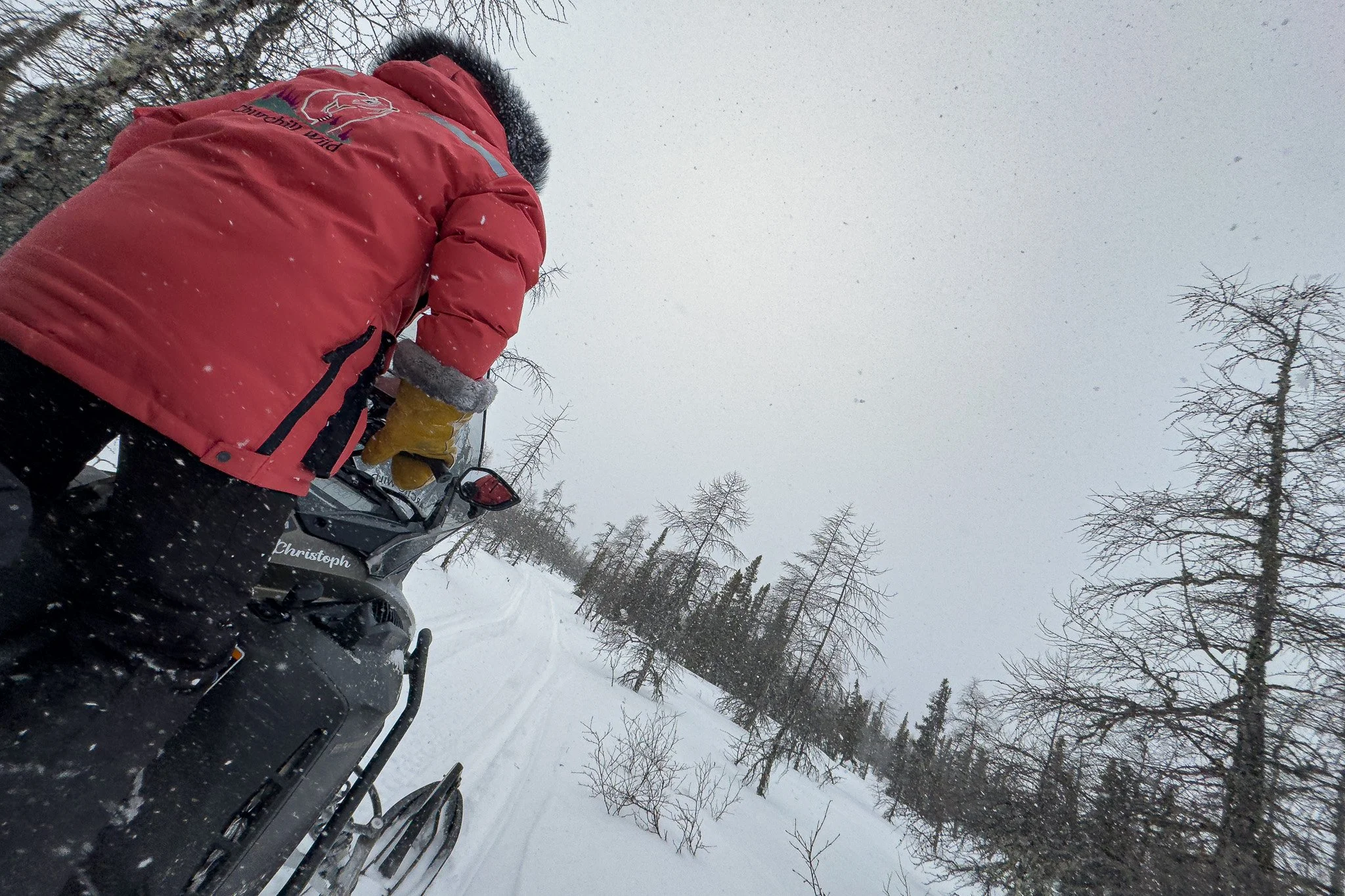
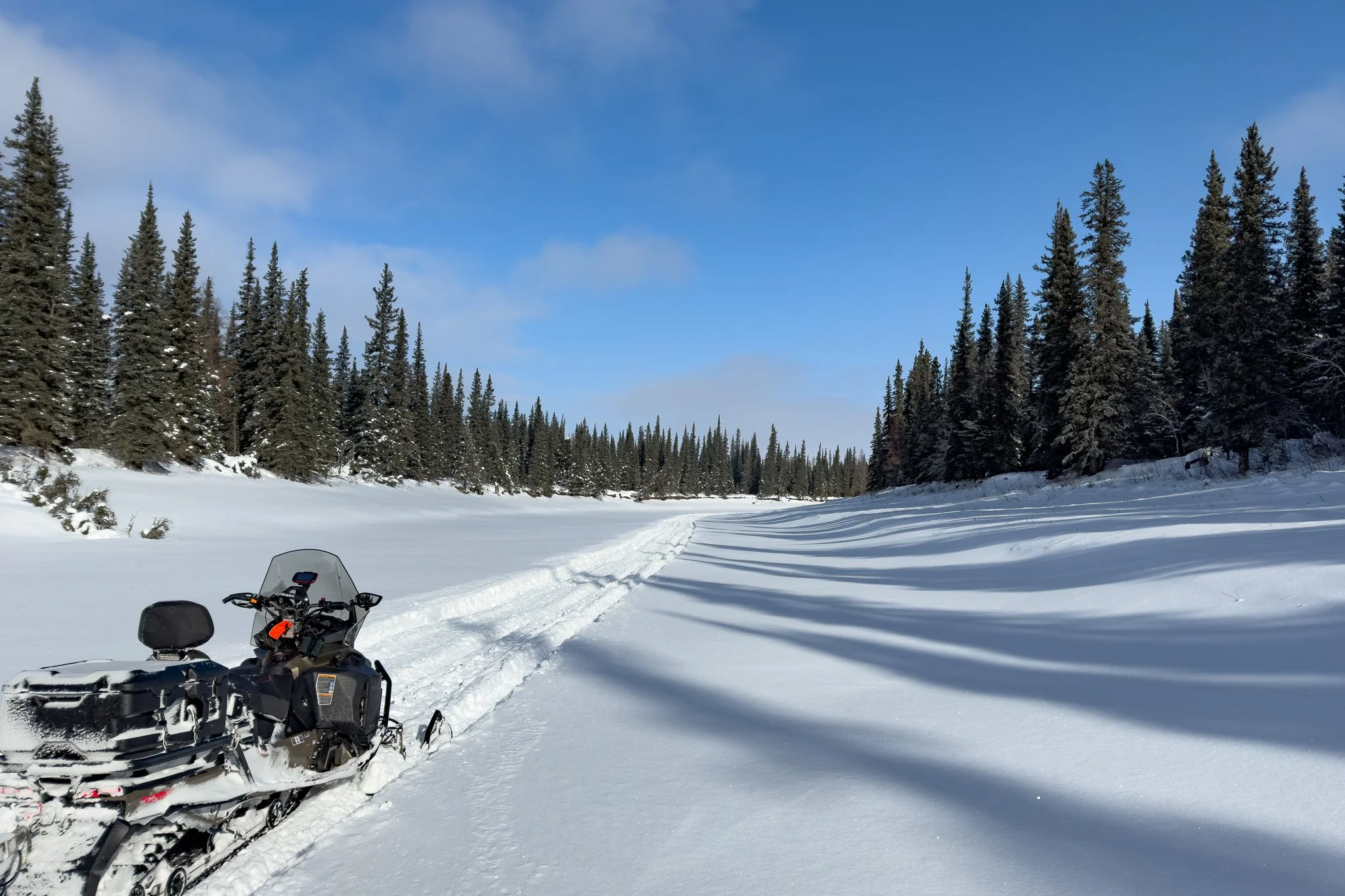
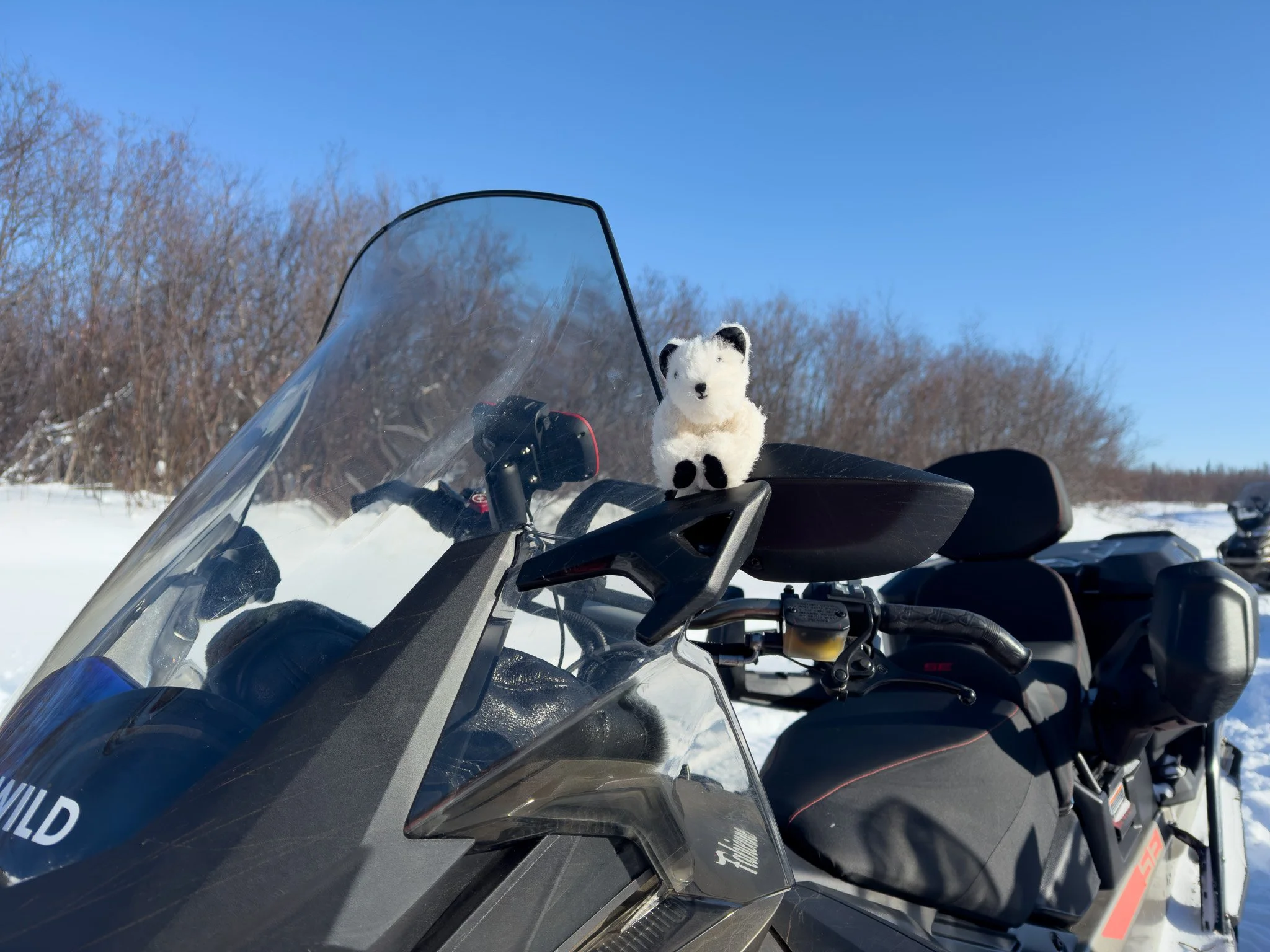
And obviously, we are always taking Siku along. No photo of him in the wild is photoshopped or AI generated. Siku really travels with us to these remote places!
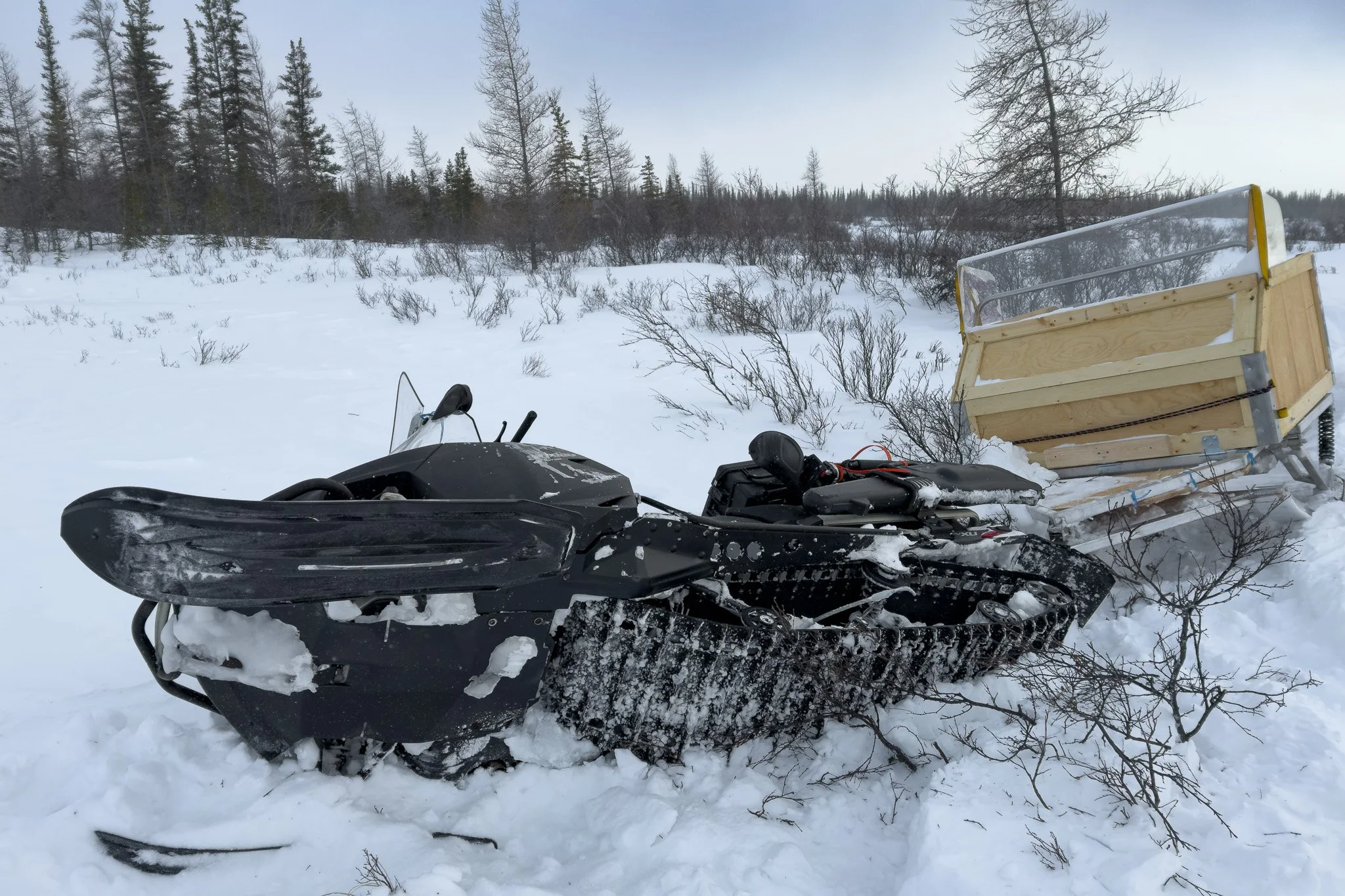
But driving in this territory is not always easy going. Rivers can be slushy, snowbanks can be deeper than anticipated and weather conditions can be challenging.
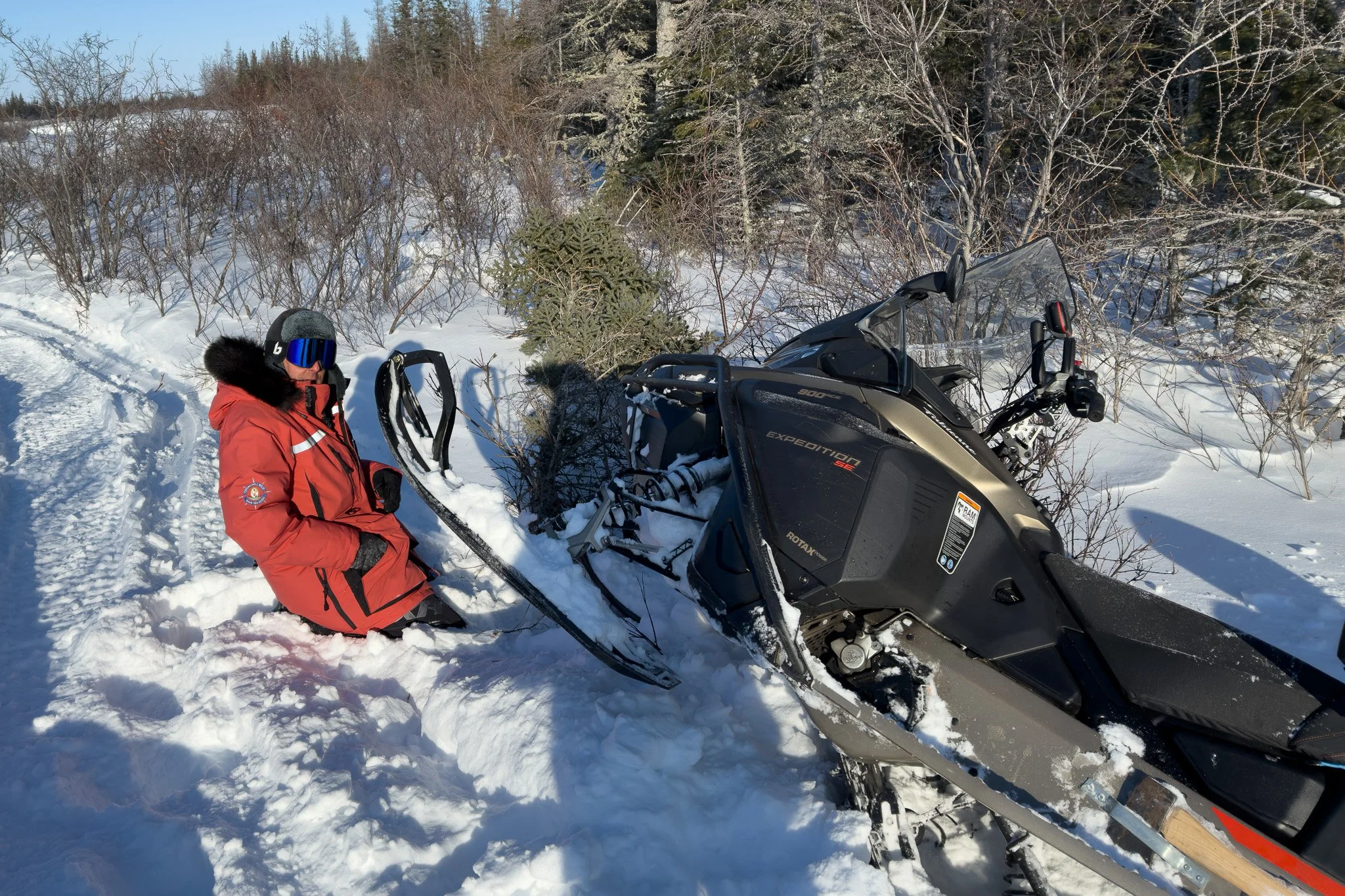
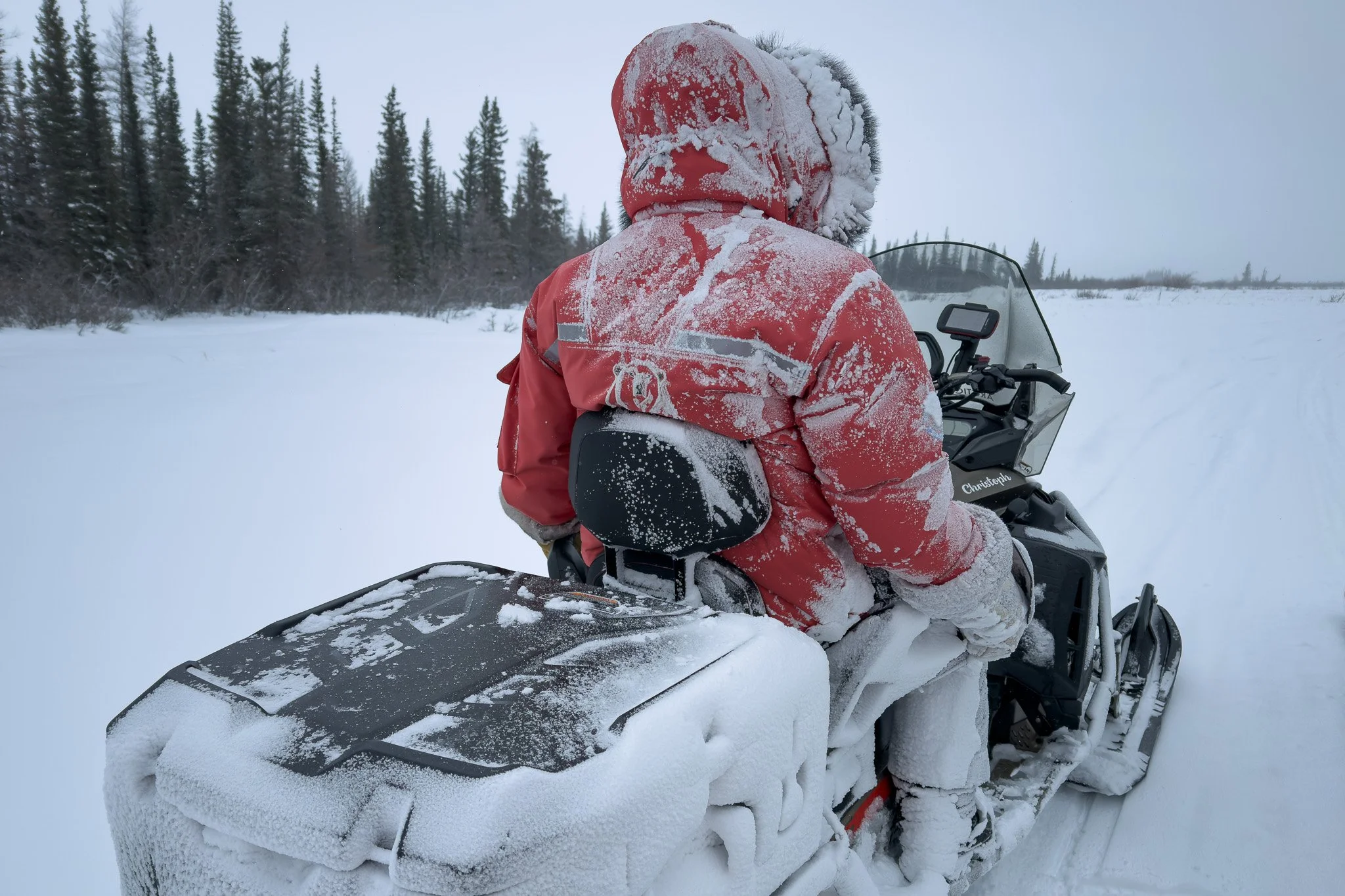
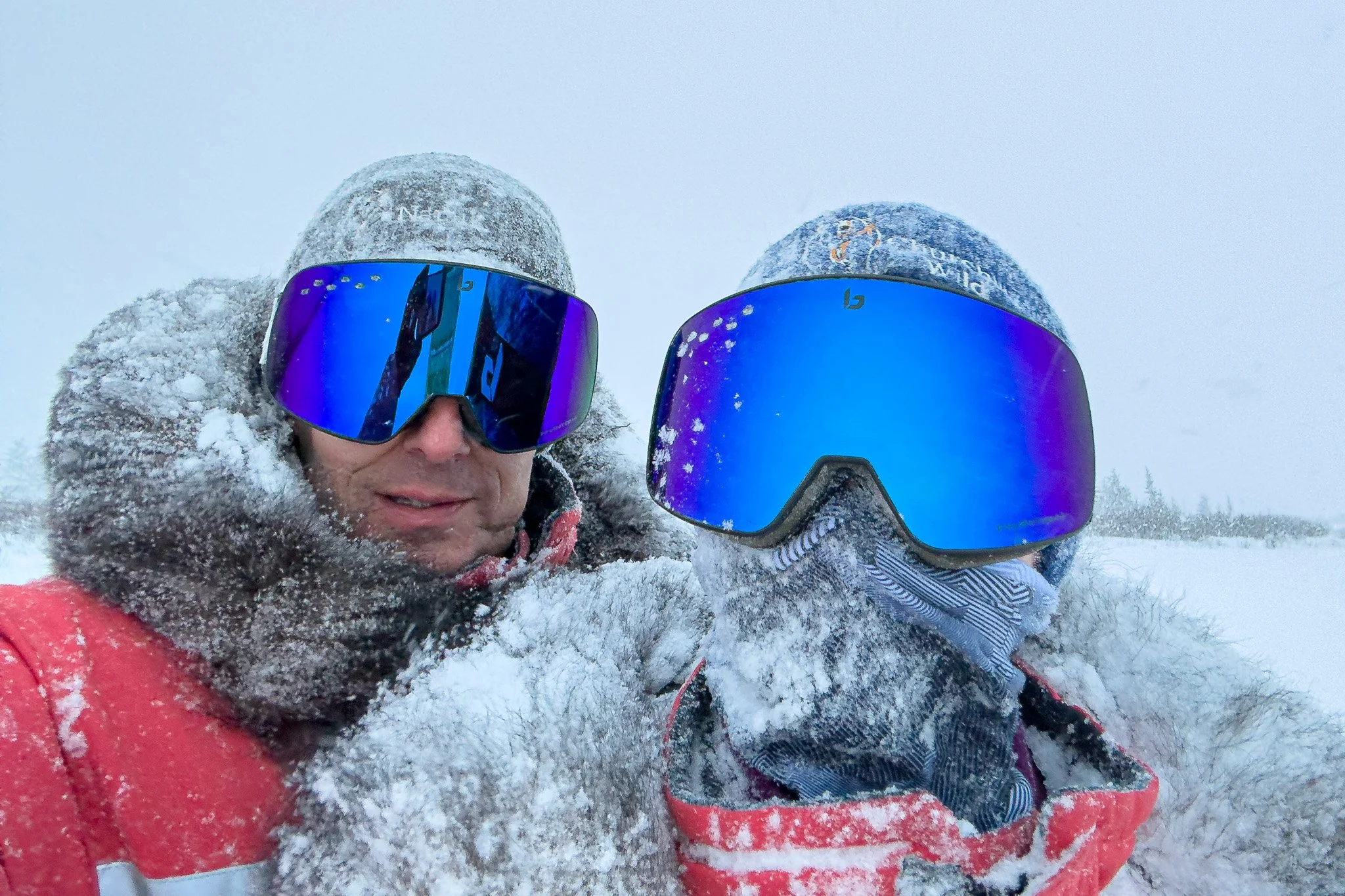
But that's part of the fun! And those miserable hours are soon forgotten when collecting firewood, preparing a fire and enjoying a hearty lunch out in the field.
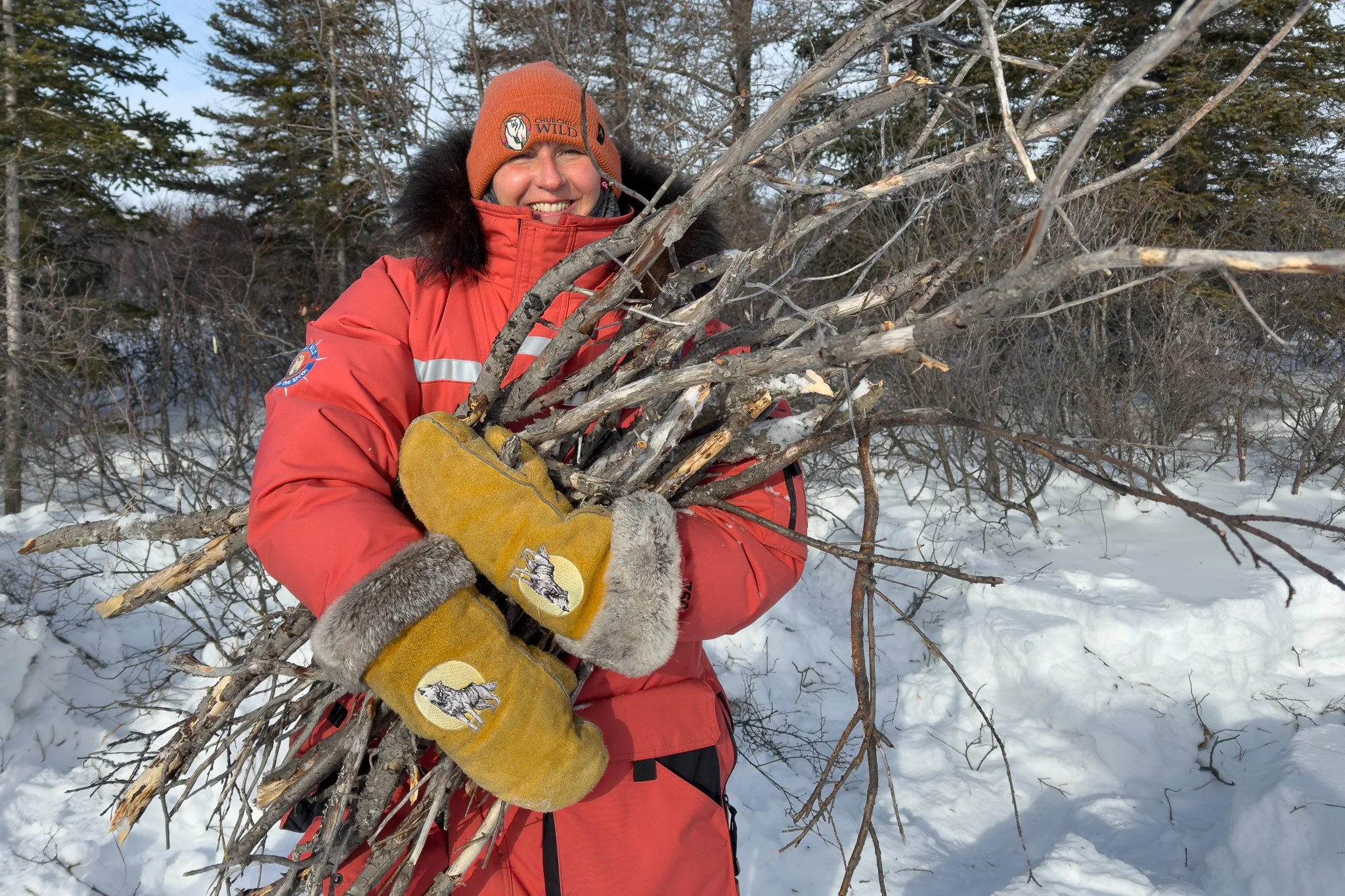
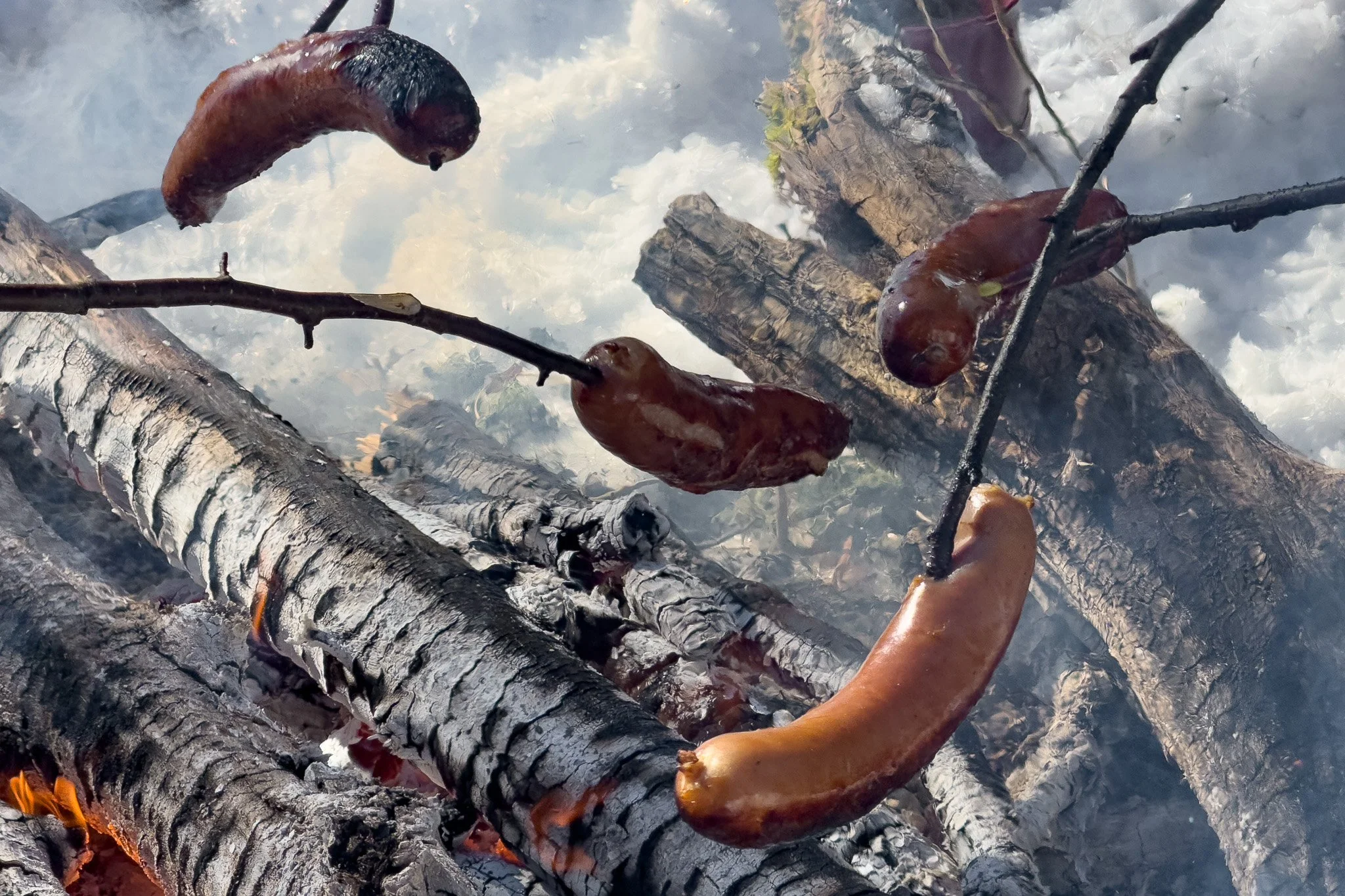
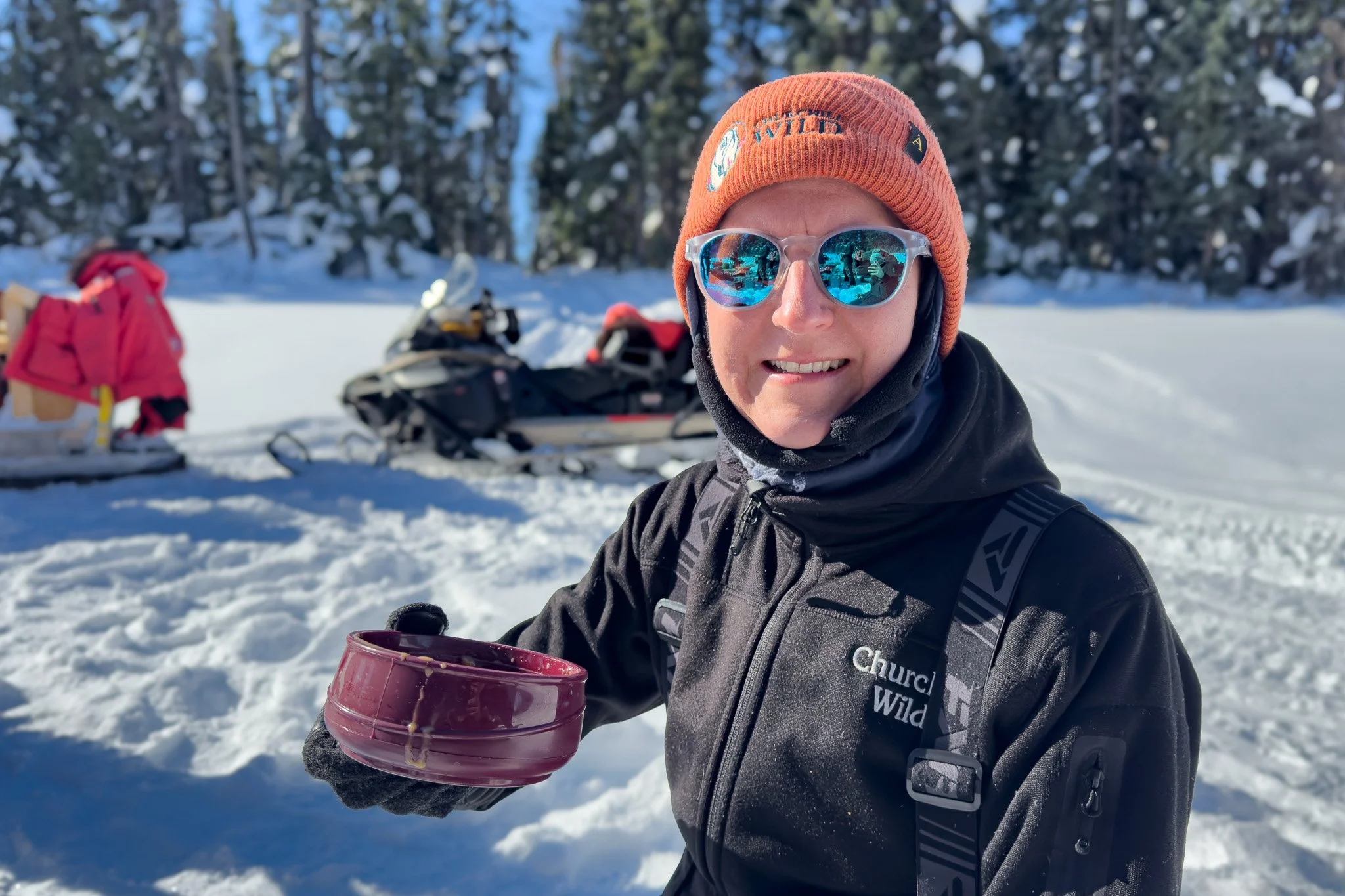
One of the guides keeps telling us "if you pay your dues, it will eventually pay off". And so far, putting in long hours has always paid off. That's when the magic happens and you suddenly become witness to a rare animal encounter or a spectacular landscape during the golden hour.
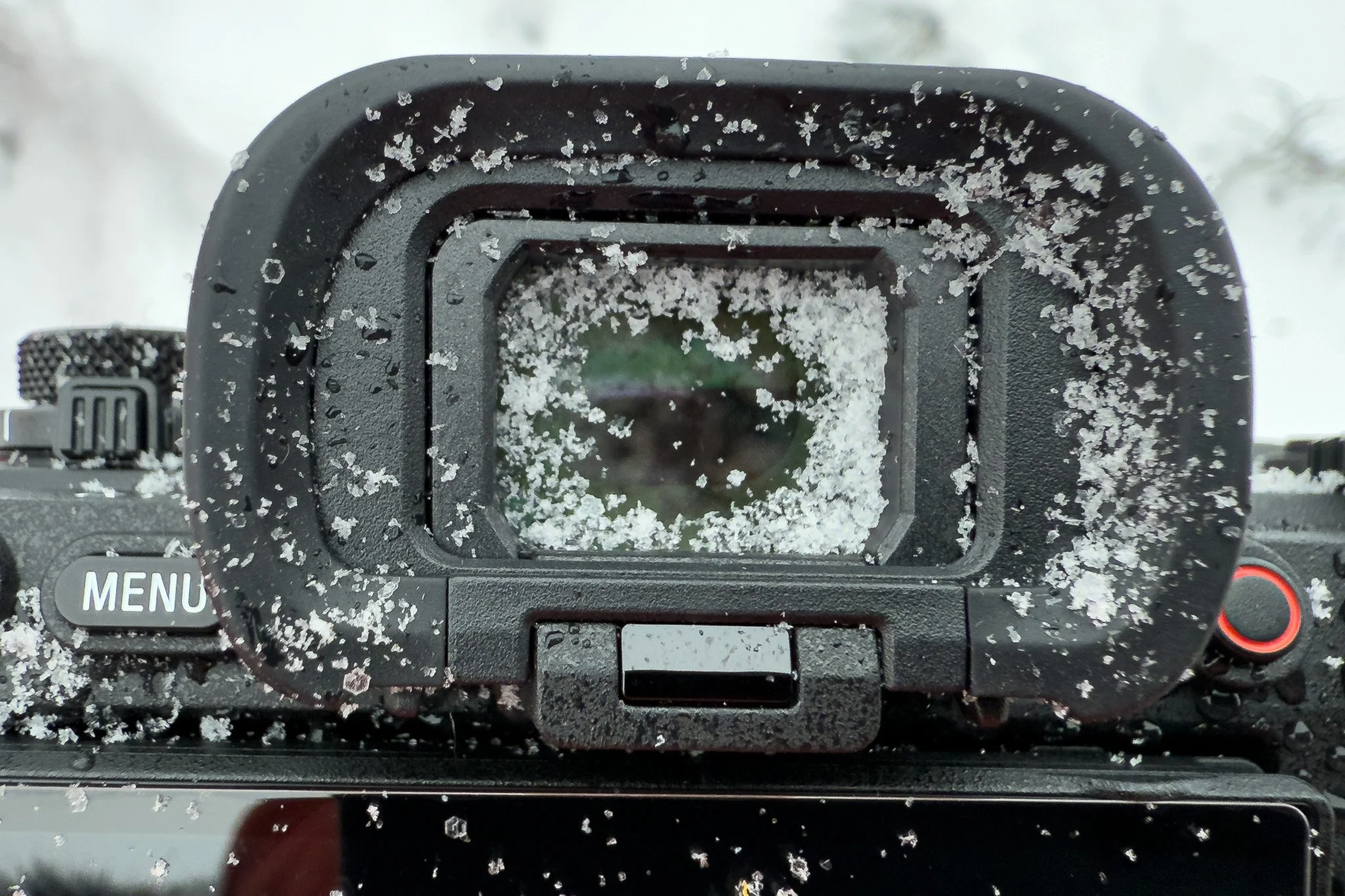
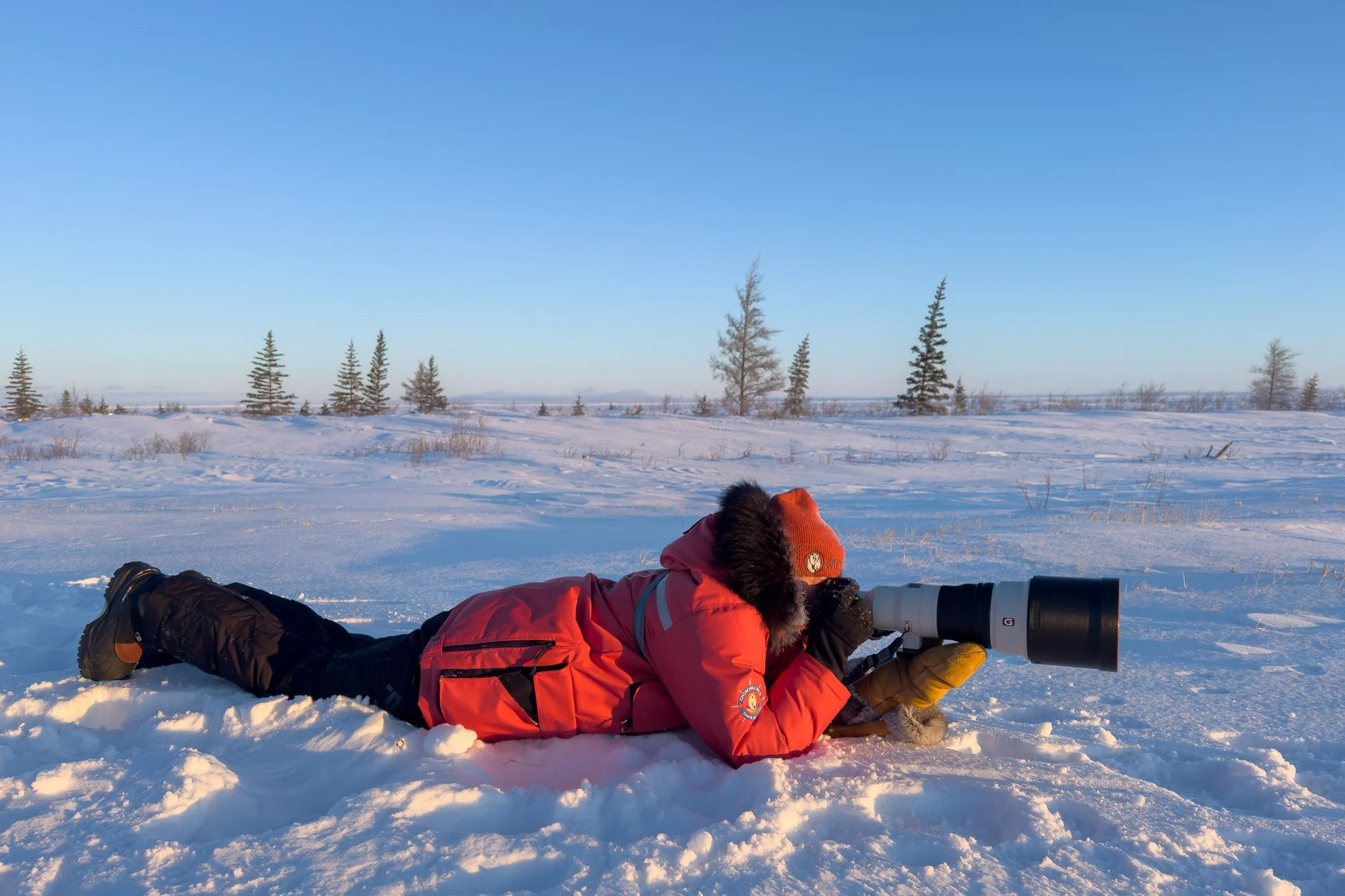
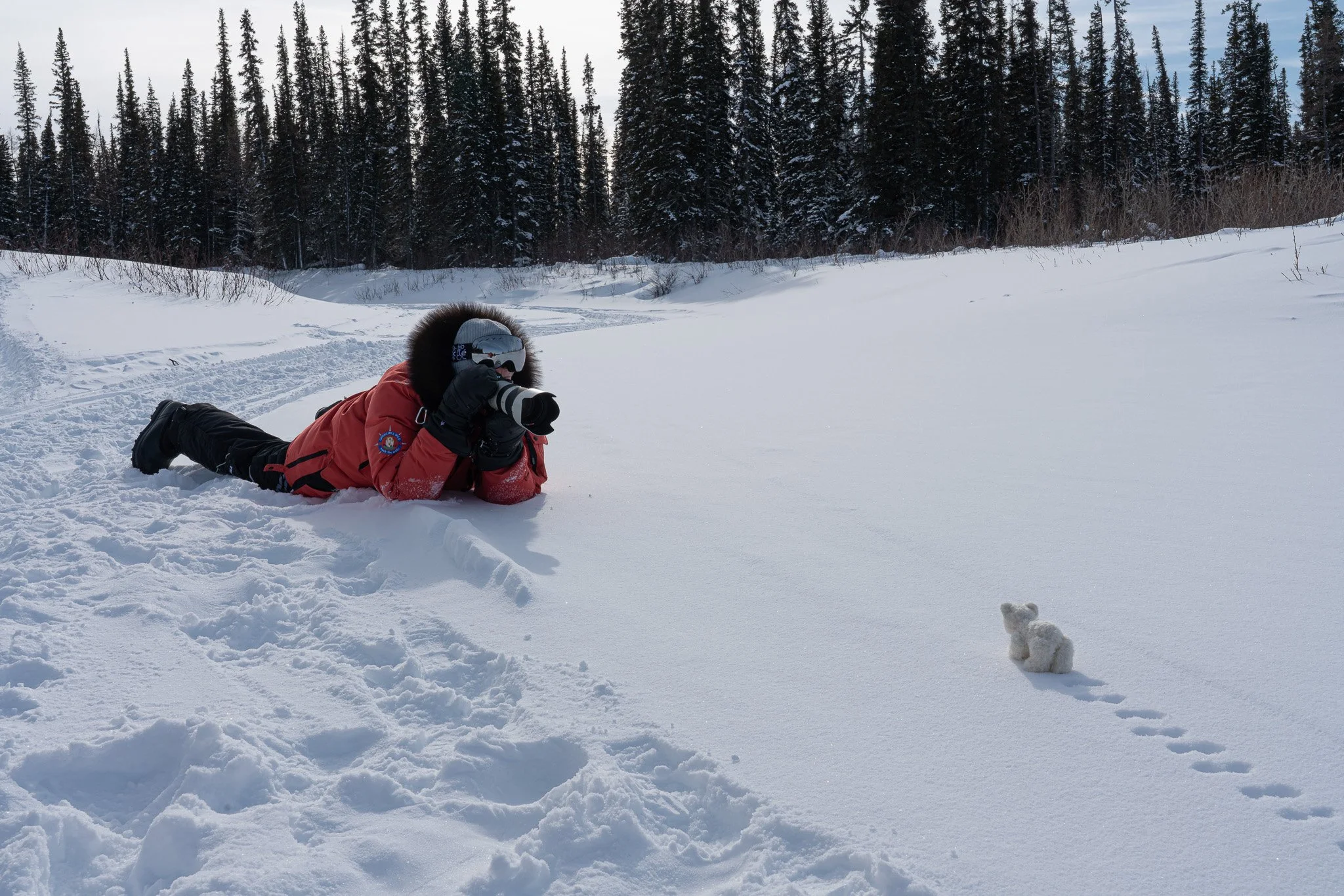
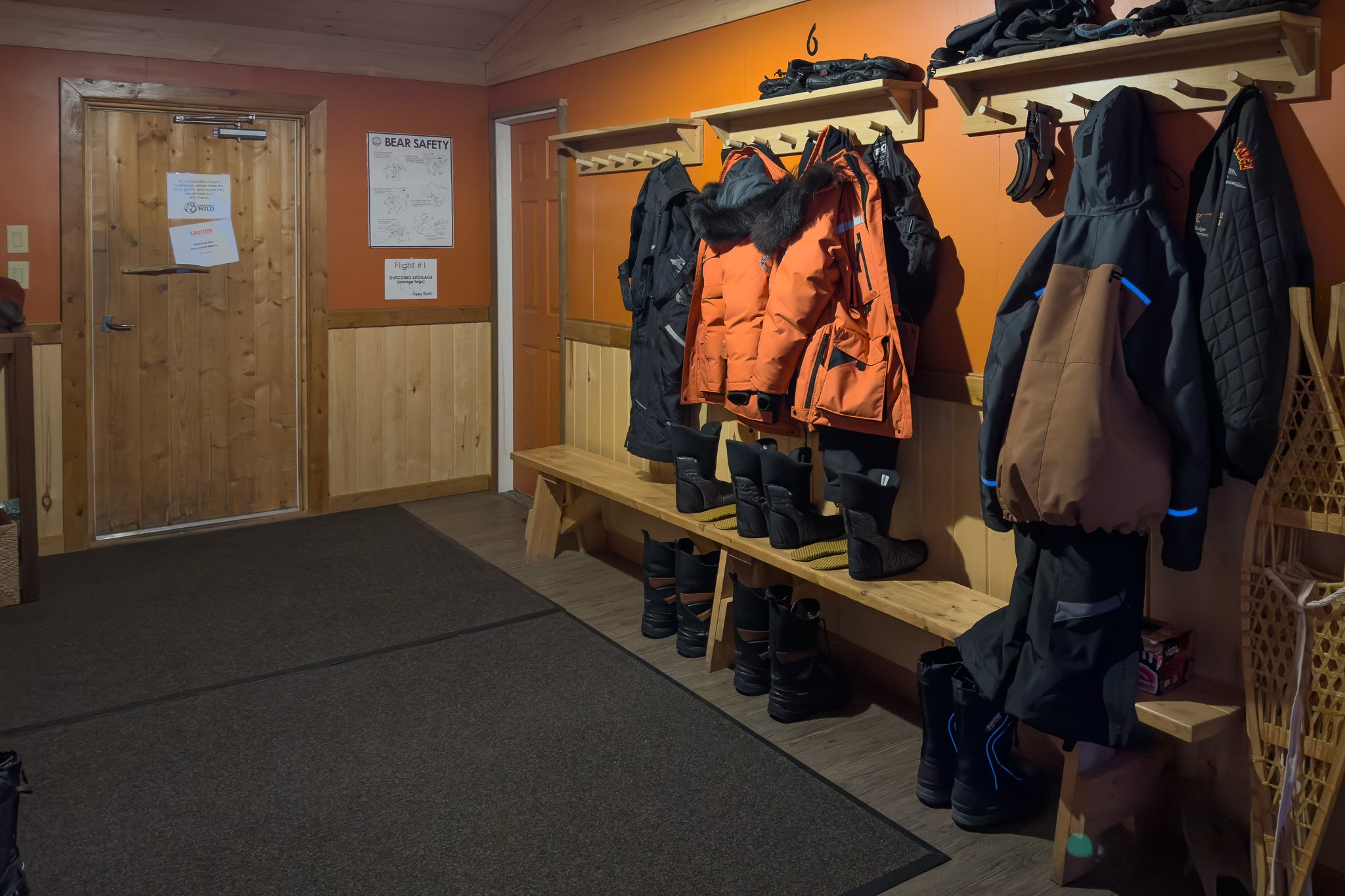
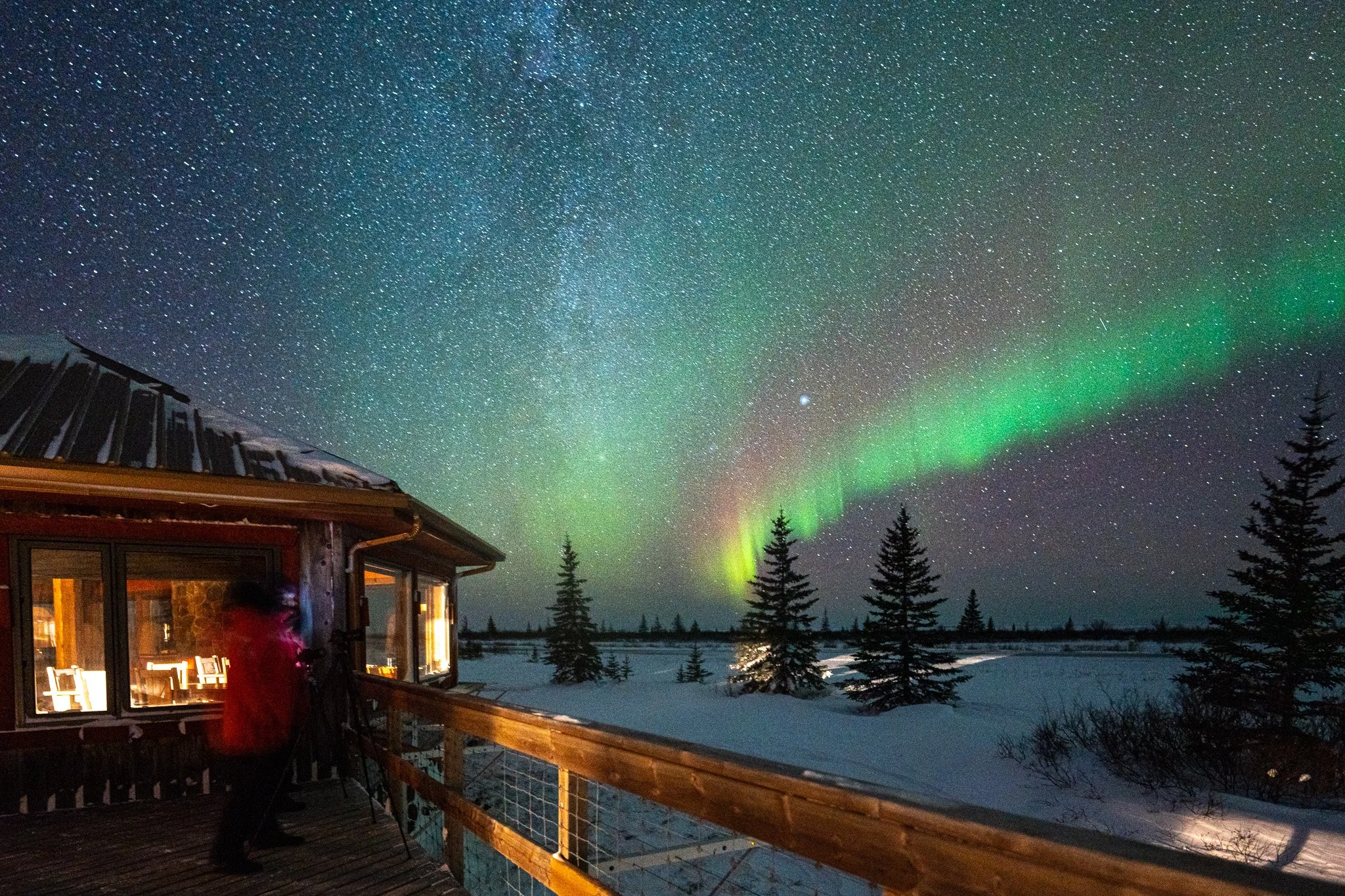
And then, it's usually time to get back to the lodge. Recharging our batteries and those of our cameras. Warming up again. Drying our gear. Having dinner. Enjoying the crackling of the fireplace. Getting some sleep. Unless the magical aurora borealis is making an appearance...
That's what we do. And love!